
Smart City Innovations: How AI is Shaping Florida Communities


Introduction to Smart Cities and AI
As urban areas continue to expand, the concept of a "smart city" is becoming increasingly important. Leveraging cutting-edge technologies, particularly artificial intelligence (AI), smart cities aim to create more efficient, sustainable, and livable environments. In Florida, communities are embracing these innovations to tackle various urban challenges.
From managing traffic congestion to enhancing public safety, AI technologies are at the forefront of transforming how cities operate. This integration not only improves the quality of life for residents but also supports environmental sustainability and economic growth.

AI in Transportation Management
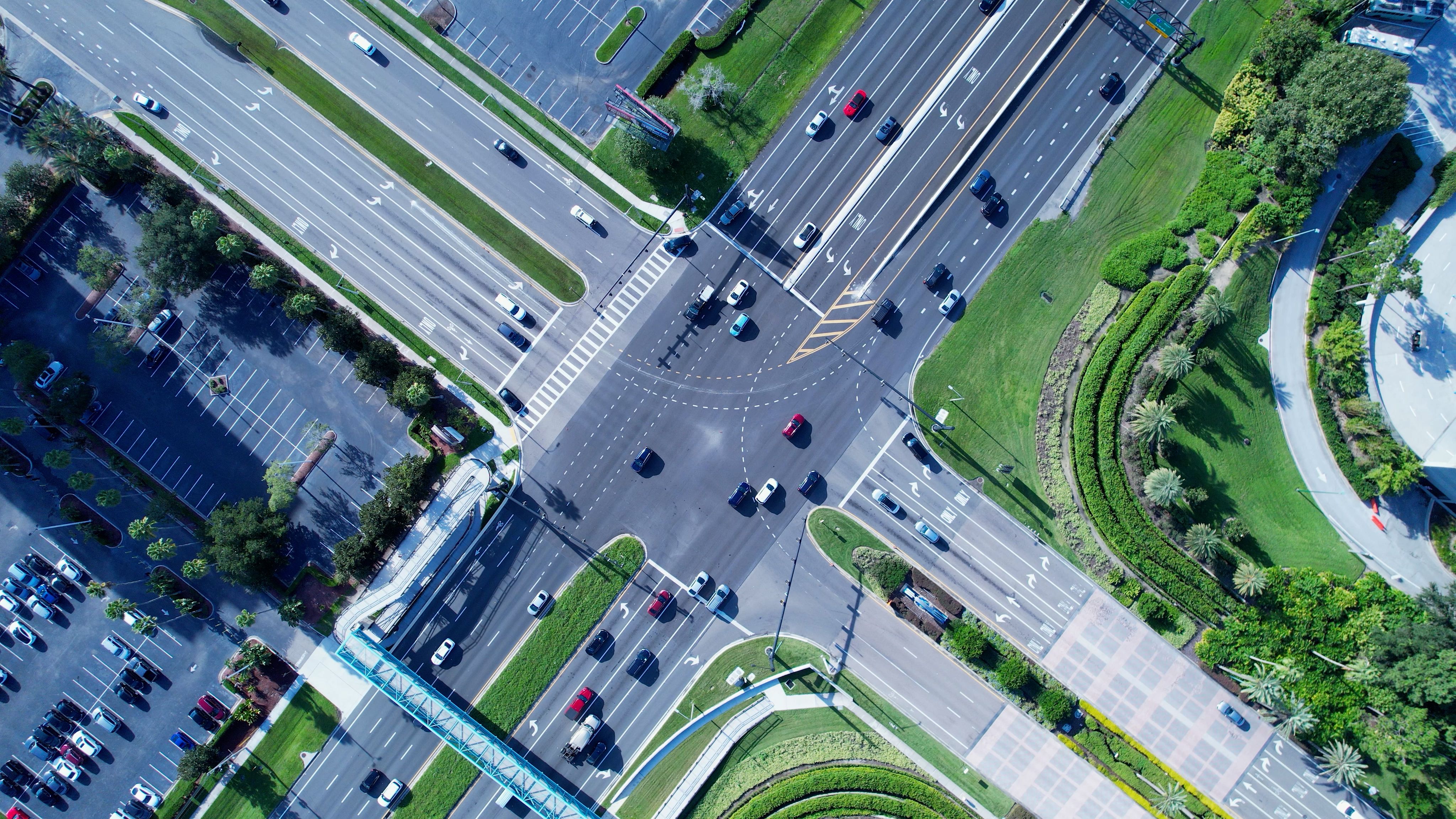
One of the most visible applications of AI in Florida's smart cities is in transportation management. AI-driven systems help optimize traffic flow by analyzing real-time data from various sources, such as traffic cameras and sensors. This information allows for dynamic adjustments to traffic signals, reducing congestion and travel time.
Additionally, AI is integral to the development of autonomous vehicles. Florida is at the forefront of testing self-driving cars, which promise to enhance road safety and efficiency. These innovations are crucial in a state where tourism and population growth continue to increase the demand for effective transportation solutions.
Enhancing Public Safety with AI
AI plays a critical role in enhancing public safety across Florida's communities. Law enforcement agencies are using AI-powered systems for crime prediction and prevention. By analyzing historical crime data, these systems can identify patterns and high-risk areas, allowing for more effective resource allocation.
Moreover, AI is utilized in emergency response systems to provide real-time data analysis during natural disasters, such as hurricanes. This capability enables quicker and more accurate decision-making, ultimately saving lives and reducing property damage.

Improving Urban Planning and Sustainability
Urban planning in Florida is also benefiting from AI innovations. By analyzing data on population growth, land use, and environmental impact, AI helps planners make informed decisions about future developments. This leads to more sustainable cities that can better accommodate residents' needs.
AI-driven systems are also crucial for energy management in smart cities. By optimizing energy usage and integrating renewable sources, Florida communities are reducing their carbon footprint and promoting a more sustainable future.

The Role of AI in Healthcare
Healthcare in smart cities is undergoing a transformation with the integration of AI technologies. In Florida, AI is being used to improve patient care through predictive analytics, which can anticipate potential health issues before they become critical.
Additionally, AI-driven platforms are enhancing telemedicine services, making healthcare more accessible to residents in remote areas. This innovation ensures that all community members have access to quality healthcare, regardless of their location.

Challenges and Opportunities
While the benefits of AI in smart cities are substantial, there are challenges to consider. Privacy concerns, data security, and the need for robust infrastructure are critical issues that Florida communities must address. However, these challenges also present opportunities for innovation and collaboration.
By fostering partnerships between government, industry, and academia, Florida can continue to lead in smart city innovations. This collaborative approach will ensure that AI technologies are implemented effectively, maximizing their potential to improve urban life.